Hello Spring, Hello Algae
As spring unfolds in Louisville, it’s time to rejuvenate your outdoor spaces, and our team is ready to help! We have already kicked into gear and look forward to bringing beauty and tranquility to your pond.
This time of year, we receive many questions about a common sight: algae!
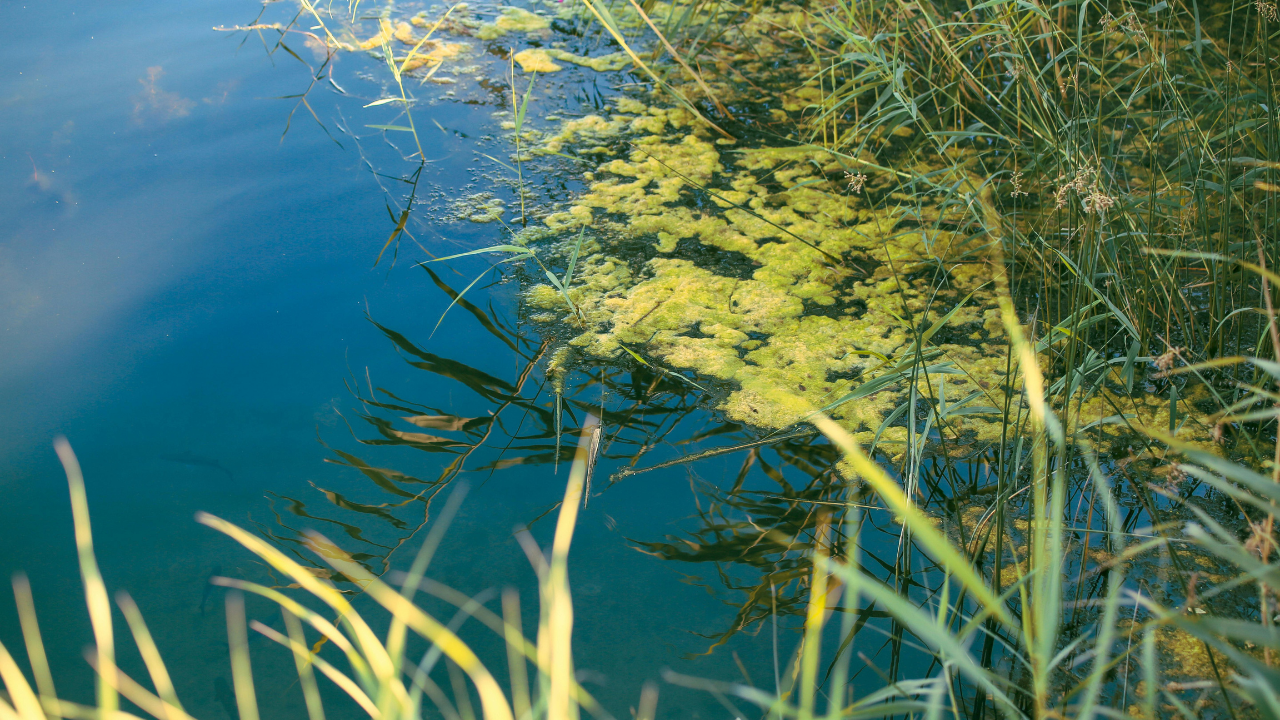
Stringy or filamentous algae (also known as blanket weed) is a common, usually harmless sign of high nutrient levels and abundant sunlight. It appears as green mats or long strands attached to rocks or floating on the surface.
What is algae?
Algae are primitive plants closely related to fungi. They have no true leaves, stems, or root systems and reproduce through spores, cell division, or fragmentation. There are over 17,400 identified species of algae.
Why is it so prevalent in the spring?
Algae is often the first plant to grow after winter due to two factors: abundant sunlight and a lack of competition for nutrients. Because trees and other pond plants have not yet leafed out, the pond receives the most direct sunlight of the season. Additionally, beneficial bacteria and other aquatic plants have not yet awakened to compete for food, creating the perfect conditions for an algae bloom.
What should you do about it?
While excessive buildup can be unsightly—and in extreme cases, cause leaks or clog filters—algae actually performs beneficial services by consuming nutrients and filtering debris. We recommend tolerating some string algae; however, if it becomes excessive, manual removal is the best first line of defense. This, combined with consistent dosing of beneficial bacteria, is usually sufficient for well-maintained water features.
Key Causes and Control Methods
- Causes: Excess nutrients from fish waste, leaves, and debris, combined with high sunlight.
- Manual Removal: Use a pond rake or twist the algae around a stick to remove it.
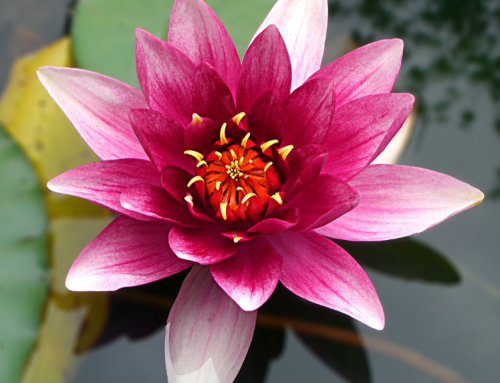
- Biological Control: Add aquatic plants, such as water lilies, to compete for nutrients.
- Maintenance: Improve filtration, clean the pond bottom, and increase aeration.
- Treatments: Use beneficial bacteria or barley straw extract. For waterfalls, consider oxygen-based cleaners. Use algaecides with extreme caution, as decomposing plant matter can deplete oxygen and harm fish.
Important Tips
- String algae is often most persistent in the spring when other plants are dormant.
- While not directly harmful in moderation, massive amounts can reduce oxygen levels as they decompose.
- Avoid overfeeding fish, as this contributes to nutrient buildup.
If you have difficulty controlling algae or need assistance managing your pond this spring, please reach out. We can walk you through specific steps or discuss maintenance packages to help you spend more time relaxing.
Happy Spring and Happy Ponding!